

Biscuit is an 11-year-old yellow Lab mix, about 74 pounds, and he has been my only dog for nine years. Last spring he started hesitating at the three back steps down to the yard. Then he started bracing before jumping into the SUV. My vet said the word 'arthritis' at his annual checkup and suggested we try a joint supplement. I had spent 24 years as a veterinary technician, so I knew the options, and I also knew I would be watching Biscuit closely for months before I trusted my own opinion. This is what that looked like.
I chose Nutramax Laboratories Cosequin because it was the brand I saw most often in the clinic, and because the active ingredients were the ones I would have picked anyway: glucosamine, chondroitin, and MSM. I ordered the chewable tablets, 132 count, and started him on the full loading dose for the first month. What follows is my honest long-term review after months of daily use, including the parts that did not go the way I expected.
The Quick Verdict
Cosequin is a solid, well-studied joint supplement that helped Biscuit move more easily, but it is not a fast fix and it will not reverse arthritis. Give it a full month, keep your expectations realistic, and check with your vet first.
Amazon Check Today's Price →The joint supplement I kept refilling for Biscuit
After months of daily use, Cosequin is the chewable tablet I still reach for. It is not a cure, but it helped my senior dog get up the back steps with less hesitation.
Amazon Check Today's Price on Amazon →How I've Used It
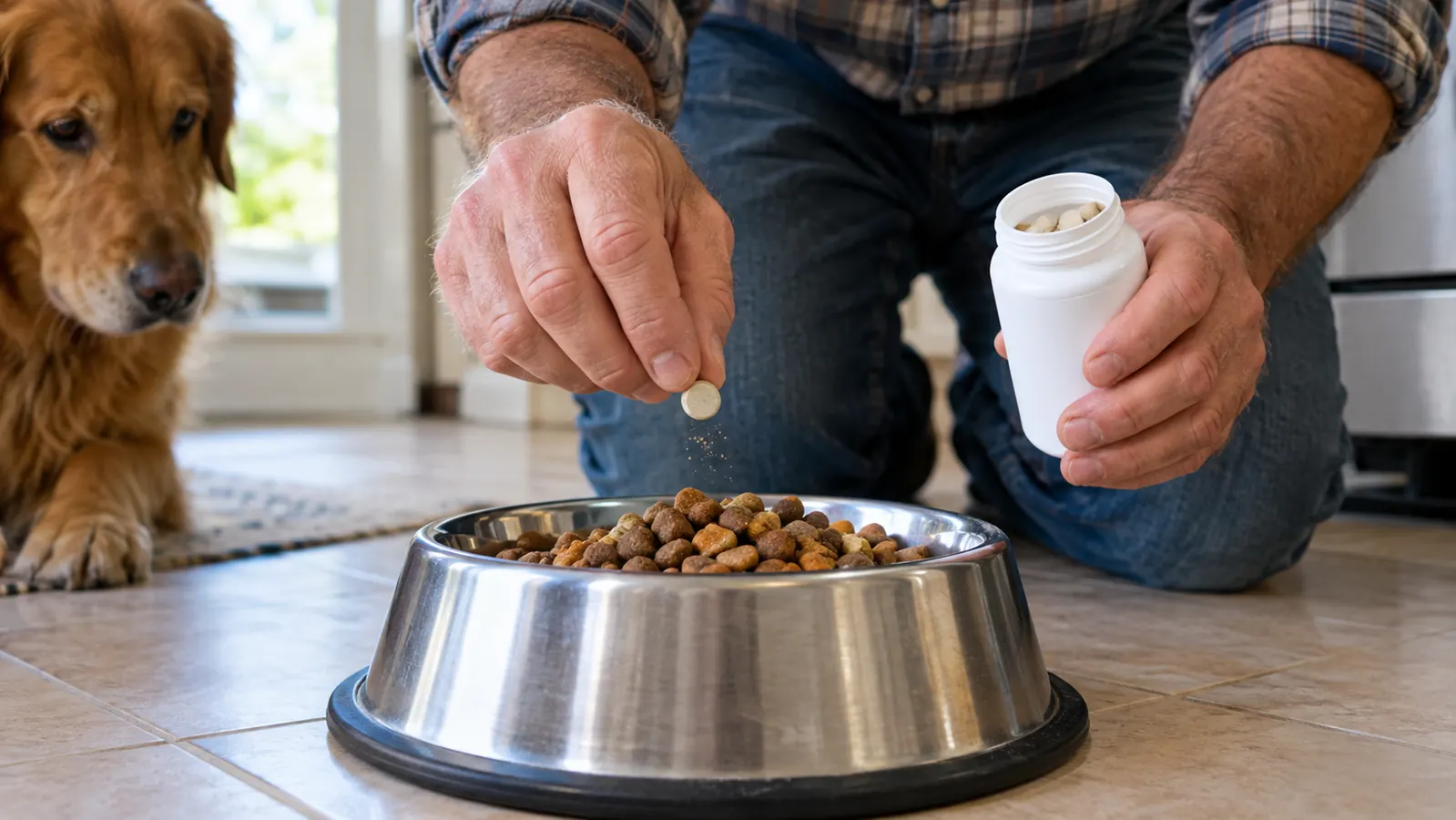
Biscuit is 74 pounds, so the label directions for his weight range called for two chewable tablets a day. For the first four weeks I gave him two tablets in the morning with breakfast, which is the loading period Nutramax Laboratories recommends. After that I dropped to one tablet a day, which is the maintenance dose for his size. I kept the tablets in the original bottle, stored in a kitchen cabinet away from heat and direct light, and I set a phone alarm for 7:15 each morning so I would not forget.
The tablets are soft chews, and Biscuit took them two ways. Some days he ate them straight out of my hand like a treat. Other days I crumbled one over his kibble and he ate it without noticing. I did not have to hide it in peanut butter or fight him to take it, which mattered to me because a supplement only works if you can give it every single day.
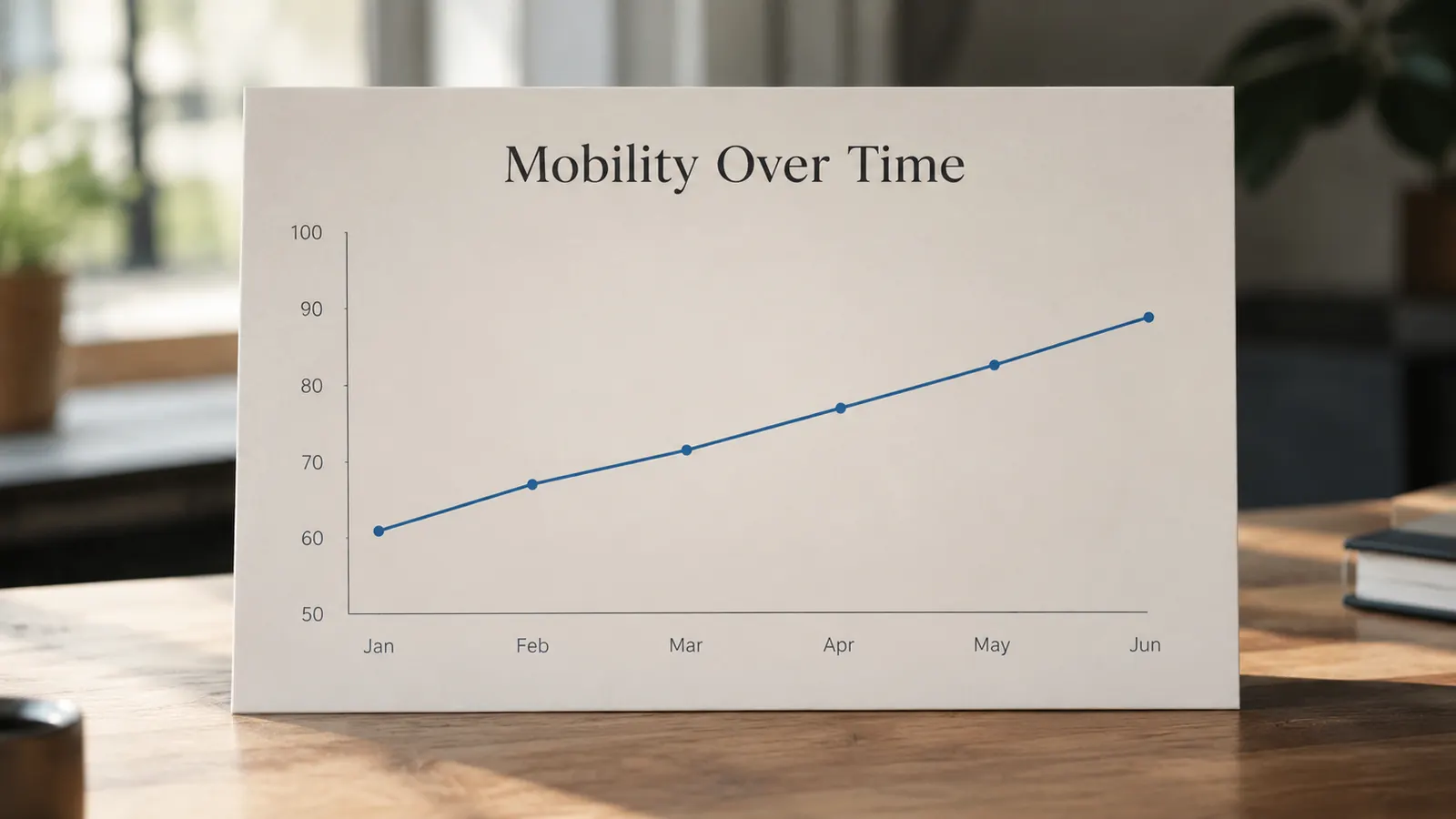
I kept a small notebook during the first two months. I wrote down the date, the dose, the weather, and a simple score from one to five for how he got up from a nap, how he handled the back steps, and how easily he loaded into the SUV. I am a retired vet tech, not a researcher, so my notes are not a study. But they gave me something concrete to look back on instead of relying on a fuzzy feeling that he seemed better. On April 12, the first day I started the loading dose, he scored a two on the steps. By the end of May, he was scoring fours and fives on most mornings.
What's Actually in the Chewable Tablet
The active ingredients in Cosequin are the ones you want to know about. Glucosamine hydrochloride is a building block for cartilage, chondroitin sulfate helps cartilage hold water and stay springy, and MSM provides sulfur that the body uses to maintain connective tissue. Nutramax Laboratories also includes manganese, which plays a role in cartilage formation. I am not going to pretend these ingredients rebuild worn-out joints, because they do not. What they can do is give the body more of the raw materials it needs to maintain the cartilage that is still there.
One thing I appreciated as a former tech: the amounts are printed clearly on the label, and the company publishes the levels of active ingredients rather than hiding behind a proprietary blend. That matters because joint supplements are not regulated the way prescription drugs are, and some brands list 'glucosamine' without telling you how much is actually in each chew. With Cosequin, I knew exactly what Biscuit was getting every day. The label on the 132-count bottle lists the amounts per chewable tablet, so I could do the math for his weight and adjust the dose without guessing.
The chewable tablets are formulated to be palatable, and in my experience that is not just marketing. Biscuit is a picky eater in his old age, and he never refused one. I cannot speak to the chicken flavor because I never tasted it, and I would not recommend that anyone try. But the texture is soft enough to crumble over food, which made the daily routine easy. On the days I crumbled it, I mixed it into a spoonful of plain canned pumpkin so it would not sit at the bottom of the bowl.
What Changed Over the First Month
The honest answer is that nothing changed in the first week. I did not expect it to, because joint supplements are slow. Glucosamine and chondroitin have to build up in the body over time, and most research suggests you need several weeks before you can judge whether a supplement is helping. I told myself I would not make up my mind until day 30, and I stuck to that. I even wrote 'do not judge yet' at the top of the notebook page for the first week.
Around the third week, I noticed Biscuit stopped doing the little shuffle he used to do before standing up from a nap. He still got up slowly, but the hesitation was shorter. By the end of the first month, he was taking the three back steps down to the yard without pausing at the top. He still took the steps carefully, and he still braced a little before jumping into the SUV, but the daily pattern was noticeably easier. On May 10, which was day 28, he walked down the steps ahead of me without waiting for me to go first, and that was the first time in months he had done that.
I want to be careful here, because I know how easy it is to see what you want to see. The weather warmed up during that same month, and warm weather can make stiff joints feel better all on its own. My notebook helped me separate the two. The improvement in his morning stiffness held even on cool mornings, which is what convinced me the supplement was doing something real. On the cool mornings in early May, when the temperature was still in the high forties, he was getting up from his bed with noticeably less hesitation than he had in March.
The change I trusted most was not the big moments. It was the small one: he stopped hesitating at the top of the back steps on cool mornings.
The Longer Picture: Months Two Through Six
After the first month, I dropped to the maintenance dose of one tablet a day. The improvement from the loading period mostly held. Biscuit still has arthritis, and I would never tell anyone that a supplement erased it. He still gets stiff after a long nap, and he still needs a little help loading into the SUV on bad days. But the baseline is better than it was, and the bad days are less frequent. In June, he had two bad days all month. In July, he had one. That is not a cure, but it is a real change in how our days go.
I also made other changes at the same time, because no supplement works in a vacuum. I put a rubber-backed runner on the tile floor by his favorite sleeping spot so he would not have to stand up on a slippery surface. I bought a set of shallow pet stairs for the SUV so he does not have to jump. I kept his weight steady at 74 pounds, because every extra pound on a dog with arthritis is extra load on those joints. Cosequin was part of the picture, not the whole picture.
One thing that surprised me was how consistent the bottle lasted. The 132-count bottle covered more than four months at the maintenance dose, which made the per-day cost reasonable. I am not going to quote a price here because prices change, but I will say the value made sense to me for a product I was giving every single day. I refilled in September, and the second bottle is still going. I also noticed that the tablets did not crumble or stick together in the bottle, even after months of opening it every morning.
The Tradeoffs and What Nobody Tells You
Cosequin is not a magic fix, and I want to be direct about the downsides. First, it takes time. If you are looking for something that fixes a limp in three days, this is not it, and no joint supplement is. Second, it does not work for every dog. I saw plenty of dogs at the clinic whose owners swore by it, and I also saw dogs where the owner came back a few months later and said they had not noticed a difference. Every dog is different.
Third, the tablets are soft chews, which means they have a flavor and a smell. Biscuit loved them, but I have heard from other owners whose dogs turned up their noses. If your dog is extremely picky, you may need to crumble the tablet into food, which is what I did on the days Biscuit was not interested in taking it straight. I found that crumbling it into a spoonful of canned food worked better than sprinkling it over dry kibble, because the kibble would roll off the tablet pieces and leave them at the bottom of the bowl.
Fourth, and most important: a supplement is not a substitute for veterinary care. If your dog is limping, crying, or suddenly reluctant to move, do not order a bottle of Cosequin and hope for the best. Talk to your veterinarian first. There are prescription anti-inflammatories and other treatments that can do things a supplement cannot, and your vet is the only person who can tell you which approach is right for your dog. I have seen too many owners at the clinic wait weeks on a supplement when their dog needed something stronger.
What I Liked
- Clear label with published amounts of glucosamine, chondroitin, and MSM
- Soft chewable tablets that most dogs will eat willingly
- Loading dose guidance and a simple once-a-day maintenance routine
- A brand with years of history in veterinary clinics
- One bottle lasts months at the maintenance dose
Where It Falls Short
- Takes several weeks before you can judge whether it is working
- Does not work for every dog, and no supplement can reverse arthritis
- Soft chews have a smell and flavor that some picky dogs refuse
- Not a substitute for prescription pain relief if your dog is in real pain
Who This Is For
Cosequin is for the owner of a senior dog who is slowing down in a way that matches normal aging: a little stiff after a nap, a little hesitant at the steps, a little slower to jump into the car. It is for people who understand that a joint supplement is a long game, not a quick fix, and who are willing to give it a full month before judging the results. It is also for people who want a supplement with a clear label and a brand they have heard of, because those two things make it easier to trust what you are feeding your dog.
If your vet gives the okay, Cosequin is a reasonable place to start
It helped my senior dog get through the morning with less stiffness, and the routine was easy to stick with. Check the current price on Amazon and talk to your vet before you order.
Amazon Check Today's Price on Amazon →Who Should Skip It
Skip Cosequin if your dog is in obvious pain, limping, or has suddenly stopped using a leg. That is a veterinary emergency, not a supplement situation, and waiting weeks to see if a chew helps could mean your dog suffers longer than necessary. Skip it if you are not willing to give it a fair trial of at least a month, because you will almost certainly be disappointed. And skip it if your dog refuses soft chews and you are not willing to crumble them into food every day, because a supplement you cannot give consistently is a supplement that will not work.
I also want to say this plainly: if your dog has been diagnosed with arthritis, Cosequin is a reasonable addition to a plan that your veterinarian helps you build. It is not a replacement for that plan. For Biscuit, the combination of Cosequin, a non-slip rug, pet stairs for the SUV, and steady weight management made his days noticeably more comfortable. The supplement was the part I was most skeptical about, and it turned out to be the part that earned its place.